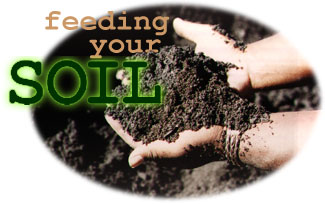
Compost is used primarily as a soil conditioner or mulch material. When tilled into the soil it helps to retain moisture while allowing good drainage. Nutrients are better able to cling to the soil particles, so the need for chemical fertilizers can be reduced. Roots are able to penetrate deeper, resulting in healthier plant growth. The combination of less fertilizer being applied and better penetration into the soil reduces runoff into rivers and streams. As a mulch, on top of the soil, compost helps to control weeds, protects the roots of plants from temperature fluctuations in both winter and summer, and helps prevent the soil from drying out. Moreover, compost may be a way to help offset significant loss of topsoil from erosion It is estimated that farm lands lose as much as one inch of topsoil each year. Government agencies, such as a state highway and parks departments, can use compost in construction and beautification of highways and parks. Compost also can be used on agricultural land, in plant nurseries and greenhouse, on golf courses and by landscapers and homeowners.
Back to the home page.